
You have a business, but how will people find it? You may have a great product or service, yet sales may stay low if people do not know you exist. This is where digital marketing can help. It gives you ways to show your work to people who may need it. But spending money online does not mean you will get more sales. You need to know your buyers, share the right message, and make it easy for them to act. A clear plan can help you avoid waste and make better choices.
What Is Digital Marketing?
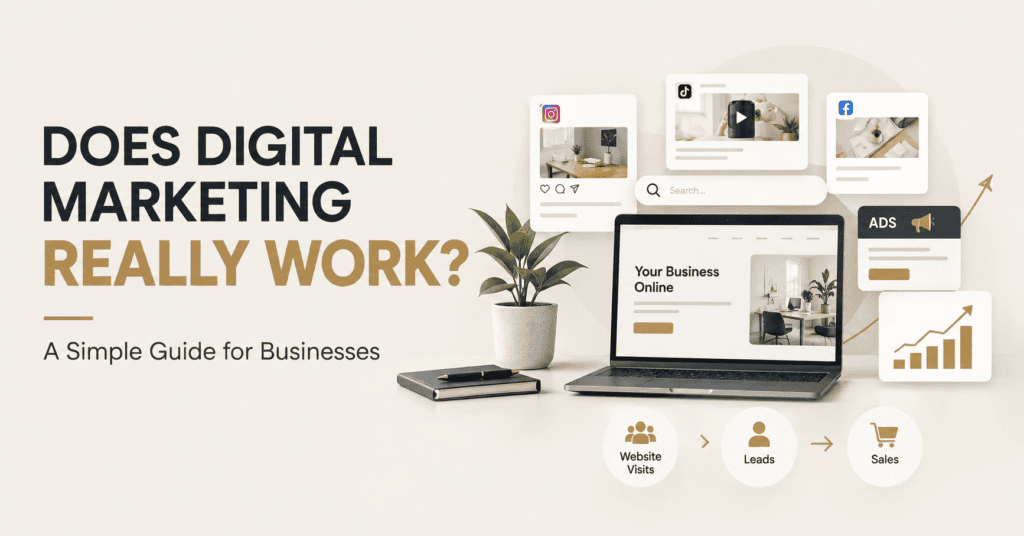
Think about how you find a shop, a product, or a service online. You may search on Google, watch a video, or see a post on social media. Businesses use these same places to reach people. This is called digital marketing. It helps you share what you sell, answer buyer questions, and tell people why they should choose you. You can start with one channel and add more when needed. The goal is not to be seen everywhere. It is to reach the right people in the right place.
Here are some common ways to market a business online:
- SEO: Helps people find your site when they search on Google.
- Social media: Lets you share posts, tips, and news about your brand.
- Google Ads: Puts your ads in front of people who search for what you sell.
- Meta Ads: Lets you run ads on Facebook and Instagram.
- Blog posts and videos: Help you answer questions and share useful ideas.
- Email: Lets you send news and offers to people who want to hear from you.
Each way has its own use. A shop may want more visits, while an online store may want more orders. A service firm may need people to call or fill in a form. First, decide what you want to achieve. Then pick the tools that fit your goal. This can help you spend your time and money with care.
Does Digital Marketing Really Work?
Yes, digital marketing can help a business grow, but it is not a sure way to make sales. The result depends on what you sell, who you reach, and how well you meet their needs. Think of a small shop that sells handmade gifts. The owner can post clear photos, share gift ideas, and show how each item is made. The shop can also make a site where people can view items and place orders. These steps may help more people find the shop and feel ready to buy.
But getting views is not the same as making sales. A person may watch your video and still not need to buy. Another person may visit your site but leave because the price is too high or the order steps are hard. This is why you need to look at what people do after they see your content or ad. Check how many people ask for details, place an order, or come back to buy again. These facts can show if your plan is working.
How Does Digital Marketing Help a Business?
1. It Helps You Reach People Who Need You
You do not need every person to buy from you. You need to reach people who may want what you sell. A home tutor, for example, may want to reach parents in nearby areas. The tutor can use local search terms and share useful tips for parents. This can help the right people learn about the service. It also makes the message more useful than an ad shown to people who live too far away.
2. It Helps People Know Your Brand
People may not buy from a brand the first time they see it. They may need time to learn what it does and why they should trust it. You can share tips, answer common questions, and show how your work helps people. For example, a home baker can post cake designs, care tips, and ways to place an order. Such posts give people a better idea of what to expect. When your content is clear and useful, people have more reason to learn about your brand.
3. It Can Bring Leads and Orders
Digital marketing can help people take the next step. They may call your shop, ask for a price, fill in a form, or place an order. But you must make that step easy. If your site has no clear contact details, people may leave without asking for help. If you run ads, make sure the page matches the ad. Tell people what they will get and how to get it. A clear path can help turn interest into action.
4. It Shows What Is Working
You do not have to guess if your online plan helps your business. You can check how many people visit your site, click an ad, send a message, or buy from you. You can also check how much you spend to get each lead or sale. For example, an ad may get many clicks but no orders. This may mean the page, price, or offer needs a closer look. Use the data to find the issue before you spend more money.
Why Does Digital Marketing Fail for Some Businesses?
Online marketing can fail when the plan does not match what buyers need. A business may spend money on ads but reach the wrong people. It may post often but give people no reason to act. It may also send visitors to a site that is hard to use. These issues can lead to poor results, even when the business has a good product. Before you change your budget, find out where the problem starts. A small fix may help more than spending more.
1. Reaching the wrong people: Your ads may show to people who do not need your product. This can waste money.
2. Giving people no clear reason to buy: Buyers need to see how your offer meets their needs.
3. Making your site hard to use: If people cannot find prices or contact details, they may leave.
4. Wanting results too soon: Ads may bring visits fast, but sales can take time. SEO can also need months to show gains.
5. Not checking results: Without data, you may not know what to stop, fix, or keep.
The best next step is to review your plan with care. Check who sees your ads, what your site says, and what people do next. Ask past buyers what made them choose you. Test one change at a time and watch the results. This gives you a better chance to learn what works for your business.
How Can You Make Digital Marketing Work for Your Business?
Start small and keep your plan clear. You do not need to post on every social site or run many ads at once. First, choose a goal that matters to your business. Then learn what your buyers need and decide how to reach them. Make sure your site or page gives people a clear next step. Check your results often and use what you learn to make changes. This can help you avoid waste and build a plan that fits your needs.
1. Set One Clear Goal
Think about what you need most right now. Do you want more calls, more orders, or more people to visit your shop? Pick one main goal so you can track your progress. For example, a local shop may want more calls from nearby buyers. An online store may want more paid orders. Your goal will help you choose the right channel and check if your work brings value.
2. Learn What Your Buyers Need
Try to see your business from the buyer’s side. What problem do they want to solve? What questions do they ask before they pay? What may stop them from buying? Use these answers to shape your posts, ads, and site. If buyers often ask about price, make your price details easy to find. If they want proof, show real work or clear product details. A message that meets a real need is more useful than one that only talks about your brand.
3. Pick the Right Channels
Choose the online tools that fit your goal. If people search for your service on Google, SEO may be a good place to start. If you want to show a product to new buyers, paid ads may help you test demand. If your buyers use Instagram, useful posts and short videos may help them learn about your brand. You can test one or two channels first. Check the results before you add more. This keeps your plan simple and easier to manage.
4. Share Content That Helps
Give people a reason to stop, read, or watch. Share tips, answer common questions, and show how your product works. Keep each post focused on one idea. Use words that your buyers can understand with ease. For example, a web design firm can share signs that a site needs an update. This gives people useful help and shows what the firm knows. Content should help the reader first, not just ask them to buy.
5. Make Your Website Easy to Use
Your website should help people find what they need without extra work. Tell them what you offer, who it is for, and how they can contact you. Use clear text, working links, and pages that load well on phones. If you sell online, make the order steps easy to follow. Ask someone who has never seen your site to use it and share where they get stuck. Their feedback may show problems you have missed.
6. Check the Numbers That Matter
Look at results that link to your goal. If you want leads, count the useful calls, forms, and messages you get. If you want sales, track orders and the money they bring in. Also check how much you spend to get each new buyer. Likes and views can show that people saw your content, but they do not prove that your business made money. Use the right numbers to decide what to keep and what to change.
7. Learn and Make Changes
Your first plan may not work as you hoped. That does not mean online marketing cannot help you. It means you need to learn from what happened. Check which posts bring useful visits, which ads lead to sales, and where people leave your site. Make one change, then check if the result improves. Give each test enough time to show a clear pattern. Keep a record of what you learn so your next choice is based on facts, not guesswork.
How Long Does Digital Marketing Take to Work?
Many people ask, “Does digital marketing really work?” They also want to know how long it takes. The answer depends on your goal, budget, and plan. Some ads can bring people to your site in a few days. SEO often needs months to show clear gains. Social media may help people know your brand. Email can bring people back to your site.
Each business is different. Your results may also depend on your product, price, and website. A clear plan can help you stay on track. Set a goal before you start. Check your results often. Keep what works. Change what does not.
How Do You Measure Digital Marketing Success?
You need to track your results to know if digital marketing works. Likes and views can show interest. But they do not always bring sales. Pick numbers that match your goal. If you want more leads, count the calls and forms you get. Then check how many leads become buyers.
If you run an online store, track your orders and sales. Also, check how much you spend to get each new buyer. This helps you see if your ads bring value. If you want more website visits, check how many people come to your site. Find out where they come from, too.
SEO needs its own checks. Look at your Google search visits. Check which words bring people to your site. See how many visitors contact you or buy from you. Tools like Google Analytics and Google Search Console can help. Use the data to make better choices.
Do not judge your work by likes alone. One post may get many likes but no sales. A post with fewer likes may bring new buyers. The goal is not just to get views. The goal is to help your business grow.
Is Digital Marketing Worth It for Small Businesses?
Yes, digital marketing can help small firms find new buyers. Many people use Google and social media to find things they need. They may also read reviews before they buy. A clear online page can help them learn about your business.
You do not need to use every tool at once. Start with one that fits your goal. A local shop can work on local SEO. It can also update its Google Business Profile. This helps people find its name, address, phone number, and services.
An online store can try Google Ads or Meta Ads. It can also make its product pages clear. Use good photos and simple words. Make it easy for people to place an order. A service firm can share tips and answer common questions. Its website should make it easy to call or send a form.
Your budget is also key. Set a limit you can afford. Pick one goal before you spend money. Check what you get for the money you spend. If the results are good, you can test a larger budget. If they are poor, find the cause first. For more information, visit marketupp.
Why Does Digital Marketing Sometimes Fail?
Digital marketing can fail when a plan does not fit the right people. For example, an ad may reach people who do not need the product. A post may give no clear reason to act. A website may also lose buyers if it is hard to use.
Your offer must be easy to grasp. People need to know what you sell. They need to know how it can help them. They also need to know what to do next. If your message is not clear, they may leave.
A slow website can also hurt your results. Long forms may stop people from asking for help. Missing phone numbers can make it hard to reach you. These small issues can cost you leads and sales.
Some firms also expect fast results from every tool. Paid ads can bring visits soon, but sales may take time. SEO often needs months to show gains. If you stop too soon, you may miss signs of growth. But do not keep spending if the data shows poor results.
Start with a clear goal. Learn what your buyers need. Use simple words in your ads and posts. Make your site easy to use. Check your data and fix weak points. Small changes can help you get better results over time.
Does Digital Marketing Really Work? Final Thoughts
Does digital marketing really work? Yes, it can help a business find buyers, get leads, and make sales. But it is not a sure path to success. You need the right plan, the right people, and a clear offer. You also need to check your results.
If your marketing is not working, do not rush to spend more. First, check your ads, posts, and website. Ask if they reach the right people. Make sure your message is clear. Find where people leave without taking action. Then fix that part and check the results again.
At Marketupp, we help firms build a strong online presence. Our services include SEO, social media marketing, content, and paid ads. We focus on plans that fit each firm’s needs and goals.
Want to improve your online reach? Visit Marketupp to learn more about our digital marketing services.