
Every small business needs customers. But finding new customers is not always easy. You may sell a good product or offer a great service. Still, people need to know about your business before they can buy from you.
Digital marketing helps you reach people online. You can use your website, Google Search, social media, and online ads to show people what you offer. You do not need to use every tool. Start with the ones that fit your business and your budget.
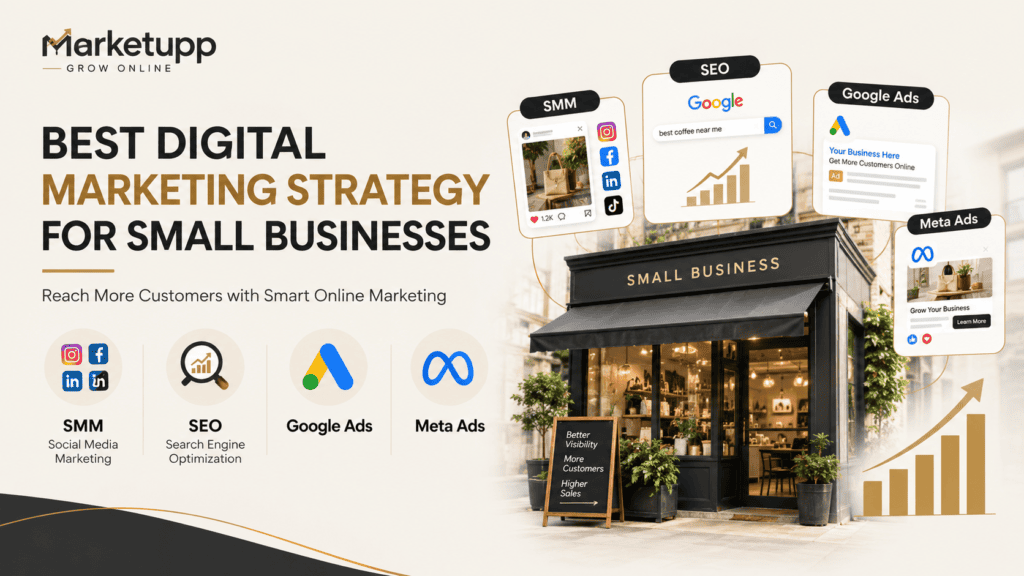
The best digital marketing strategy for a small business starts with a clear goal. You may want more calls, more website visits, or more sales. Once you know your goal, you can choose the right steps. This guide covers six simple ways to market your small business online.
1. Know Your Target Audience
First, think about your target audience. These are the people who may buy from you. What do they need? What problem do they want to solve? What do they look for before they buy? The answers can help you plan your marketing.
Think of a local salon. Its main customers may live or work nearby. A shop that sells school bags may want to reach parents. An online shoe store may want to reach people who shop on the web. Each business needs a plan that fits its customers.
You can learn about your customers by talking to them. Ask why they chose your business. Find out what they liked and what they wanted to know before buying. You can also read their reviews and check the questions they ask. These details can give you ideas for your next post or ad.
Do not try to reach everyone at once. Start with one clear group of people. Learn what they need and what they care about. Then use this knowledge in your website, social media posts, and ads. A clear target audience can help you spend your time and money well.
2. Build a Simple Website
Your website helps people learn about your business. It should tell them what you sell and how you can help. It should also make it easy to contact you. If people cannot find the right details, they may leave without taking action.
Start with the key facts. Explain your products or services in simple words. Add your phone number, email, and business address if needed. Show your prices when you can. If you sell products, add clear photos. If you offer a service, explain what the customer will get.
Make the next step clear. You can add a button that says “Call Now,” “Get a Quote,” or “Shop Now.” Pick the words that fit your goal. If you take orders on WhatsApp, make that option easy to find. Help people act without making them search for a way to reach you.
Your website must also work well on phones. Many people use phones to search, read, and shop. Make sure your text is easy to read, and your pages load well. You do not need a large website to start. A clear and useful website can help with SEO, online sales, and lead generation.
3. Use SEO to Get Found on Google
SEO stands for search engine optimization. It helps search engines understand your website. It can also help people find your pages when they search online. For small businesses, SEO can bring people who are already looking for a product or service like yours.
Start by thinking about what your customers type into Google. A bakery in Delhi may want to reach people who search for “fresh cakes in Delhi.” A web design firm may want to reach people who search for “website design for small businesses.” Choose words that match what you really offer.
Naturally use these keywords. Add them to your page titles, headings, and website text when they fit. Do not repeat the same words too many times. Write for people first. Your page should answer their questions and help them learn about your business.
You can also write blog posts about topics your customers care about. A pet shop could share tips on feeding a new puppy. A web design firm could explain what a small business website needs. Keep your pages clear and useful. Link to other related pages on your site and make sure your website works on phones.
SEO takes time. You may not see results right away. Your results will depend on your site, your content, and the level of competition. Still, good SEO can help the right people find your business on Google without paying for each click.
4. Set Up Your Google Business Profile
Do you serve people in your town or city? Then a Google Business Profile may help. It can show your business on Google Search and Google Maps. People may see your phone number, hours, photos, and reviews. This can help them learn about your business before they call or visit.
First, add the right business name and phone number. Choose the best type of business for your profile. Add your hours and website link. If you visit customers at their homes, set your service area. Use real photos that show your shop, team, work, or products.
Keep your details up to date. If your hours change, update them. If you add a new service, make sure the details are clear. Wrong details can cause trouble for people who want to reach you. A few small checks can help keep your profile useful.
Reviews can also help people learn about your business. Ask your customers to share honest feedback. Reply to reviews in a kind and clear way. If a customer has a problem, try to help. For example, a local electrician can reply to a review about a late visit and explain how the issue will be handled.
A Google Business Profile cannot promise that your business will rank first. But it can help people find key details about you. For a local shop, salon, café, or repair service, this is a useful part of local SEO.
5. Use Social Media Marketing
Social media helps you show people what your business does. You can share tips, answer questions, and show your products. It can also help you stay in touch with past customers. But you do not need to use every social media app. Pick the ones your customers use most.
Instagram may suit a clothing shop that shares photos and short videos. LinkedIn may suit a firm that sells services to other businesses. YouTube can help a repair service show how to fix a small problem. Facebook may help a local shop share news with people nearby.
Share posts that give people a reason to care. You can show how a product works or explain how a service helps. A cake shop could show how it makes a birthday cake. A web design firm could share tips for a better home page. These posts help people see what you do.
Make a simple plan for your posts. You could share a few useful posts each week. Choose topics before you start. This can save time and help you post often. You do not need to post every day if you cannot keep up with it.
Check how people respond to your posts. Do they ask questions? Do they visit your site? Do they send a message about your service? Likes are useful to track, but they do not show the full picture. Good social media marketing helps the right people learn about your business and take the next step.
6. Create Helpful Content
Content marketing means sharing useful ideas with your audience. This can include blog posts, short videos, guides, and social media posts. Good content helps people learn something or solve a problem. It can also help them see how your business may meet their needs.
Start with the questions your customers often ask. A plant shop may share tips on how to care for indoor plants. A web design firm may explain what to add to a business website. A skincare shop may show how to use a product. These topics can help people before they make a choice.
Keep your content simple. Focus on one main idea at a time. Use short sentences and clear words. If you write a blog post, give it a clear title. If you make a video, explain the main point early. Use real examples that your customers can understand.
You can use one idea in more than one way. Turn a blog post into a short video. Use its main points for a social media post. You can also send the tips in an email. This helps you share more useful content without starting from the beginning each time.
Watch which topics bring visits, questions, and leads. If people often ask about one topic, make more content about it. Helpful content can support your SEO and build trust over time. The goal is simple: answer real questions and help people make better choices.
7. Use Google Ads and Meta Ads to Find New Customers
Some small businesses need new leads fast. Paid ads can help them reach people who may want to buy. But ads can also waste money if the plan is not clear.
Google Ads can show your business to people who search for what you sell. For example, a person may search for a shop that makes websites. Your ad can help that person find your service.
Meta Ads let you show ads on Facebook and Instagram. A shoe shop can use them to show new shoes. A local gym can use them to share a free trial offer.
First, choose one goal. Do you want more calls, leads, or sales? Write an ad that tells people what you offer. Send them to a page that matches the ad. Start with a small budget and check the results. Spend more only when the ads bring value.
8. Use Email Marketing to Stay in Touch
Not every visitor will buy on the first visit. Some people need time to choose. Email marketing helps you stay in touch with people who sign up to hear from you.
You can send news, tips, offers, and product updates. A pet shop can share tips on pet care. A web design firm can send tips on how to make a website better.
Start with a simple email sign-up form on your website. Tell people what they will get when they join. You can share a free guide or useful tips to give them a reason to sign up. Always ask for permission before sending marketing emails.
Keep your emails short. Share one main idea in each email. Do not try to sell in every message. Give people useful help, and make it easy for them to stop getting your emails.
9. Use Real Customer Reviews to Build Trust
People may want to know what others think before they buy from you. Real customer reviews can help them learn about your service or product.
After a sale, ask the customer to share their honest views. Send a short message with a link to your review page. Never write fake reviews or ask people to share false claims.
You can also show your past work. A baker can share photos of cakes made for customers. A web designer can show a site made for a client. A painter can share photos of a room before and after the work. Ask for permission before sharing customer photos or details.
Reply to reviews with care. Thank people for good feedback. If a customer has a problem, try to find a fair fix. Do not argue online or share private details.
Good work and honest reviews can help people feel safe when they choose your business.
10. Track Your Digital Marketing Results
Likes and views do not tell the full story. Your digital marketing should help you reach a clear goal. You may want more calls, leads, sales, or store visits. Track the results that matter to your business.
Check how many people visit your website. See how many contact you or buy from you. If you run ads, check how much you spend to get each lead or sale. If you send emails, track clicks and sign-ups.
Google Analytics can help you see how people use your website. Google Search Console can show how your site does in Google Search. Google Ads and Meta Ads also give you reports on ad results.
Set a day each month to review your numbers. Ask what worked and what needs to change. If a page gets visits but no leads, make the offer clear. If an ad gets clicks but no sales, check the ad and the page it leads to.
Use these results to make better choices. Do not keep spending on work that brings no value.
What Is the Best Digital Marketing Strategy for a Small Business?
The best digital marketing strategy for a small business depends on what you sell and who you want to reach.
A local shop can start with a Google Business Profile and local SEO. A new online store can work on product pages, social media, and email marketing. A service firm can use a clear website, customer reviews, and Google Ads. A business that sells to other firms can share useful blog posts and connect with buyers on LinkedIn.
You do not need to use every tool at once. Pick one or two ways to reach your customers. Set a goal and check the results. When you find what works, you can add more.
A simple plan that fits your business is better than a long plan you cannot follow.
How Much Should a Small Business Spend on Digital Marketing?
There is no fixed cost for digital marketing. Your budget will depend on your goals, your market, and the help you need.
You can start with low-cost tasks. These may include posting useful content, updating your website, and keeping your business details correct on Google. You may need more money for paid ads, website work, or expert SEO support.
Keep in mind that the ad budget and the fee to manage ads are not always the same. Ask for a clear cost list before you hire a service.
Set a budget you can afford. Choose the result you want, such as more leads or sales. Track what you get from your spending. If the results are good, you can test a higher budget. If they are poor, find the cause before you spend more.
Digital Marketing Mistakes Small Businesses Should Avoid
Many small businesses try too many things at once. They post on every app, run ads, and start a blog without a clear plan. This can waste time and money.
Avoid these common mistakes:
- Running ads without a clear goal.
- Sending people to a page that does not match the ad.
- Adding too many keywords to your website text.
- Buying fake reviews.
- Spending money without checking results.
- Giving up on SEO before it has time to work.
You do not need to get everything right at the start. Learn what your customers need. Pick a clear goal. Check your results and make small changes as you learn.
The best digital marketing strategy for a small business starts with knowing your customers and setting a clear goal.
Make your website easy to use. Help people find your business on Google. Share useful content on social media. Use email to stay in touch with people who sign up. Try paid ads when they fit your needs, and track what they bring back.
Start small and build your plan over time. Focus on real leads, sales, and trust—not just likes and views.
Need help with SEO, social media marketing, Google Ads, Meta Ads, or website design? Marketupp can help you choose digital marketing services that fit your business goals and budget.